Books › Business Analyst roadmap
Best books for Business Analysts
Requirements first, then discovery and delivery methods, then decision support. The opening books teach how to elicit and write requirements and use cases, structure an argument and query data. The build set adds requirement discovery, story mapping, examples that serve as tests, impact mapping and clear charts. The lead set covers measuring intangibles, data-science thinking for business problems and strategy.
12 books in 3 stages, about 4,430 pages (111 hours of reading). The notes are ours, with no ratings or sales claims.
How to choose your books
A short method, so you read the right book for where you are instead of the longest list.
Find your stage
Getting started · 4 books
The core of the job: requirements and use cases, structured thinking and writing, and enough SQL to look at the data yourself.
Jump to this stage ↓Doing the job · 5 books
Discovery and delivery: a fuller requirements process, story maps, specification by example, impact mapping and clear visual communication.
Jump to this stage ↓Senior and leading · 3 books
Decision support: putting numbers on uncertain things, framing business problems for data science and reading strategy.
Jump to this stage ↓
If you are unsure, start one stage lower than you think. Books in a later stage assume the working knowledge the earlier ones give you.
Begin with one book
Our starting pick
Software Requirements
by Karl Wiegers, Joy Beatty · 1999
Requirements are the BA's central product. This book covers eliciting, documenting and managing them so you start from a sound method.
See the book ↓Then pick by your situation
Choose the next book by the problem in front of you, not by its place in the list.
If you need to describe how users interact with a system
read Writing Effective Use Cases (getting started)
If stakeholders want features, not outcomes
read Impact Mapping (doing the job)
If leadership asks you to quantify something that seems unmeasurable
read How to Measure Anything (senior and leading)
Check it against what Business Analyst postings ask for
These skills come from our analysis of live Business Analyst job postings. If one is new to you, its book list sits one click away.
Each step on the scale reflects how often live job postings name the skill, tool or credential, based on our analysis of those postings. With fewer than 100 postings behind this page, treat the scale as directional: a sample this size can shift a skill by a step or more.
Set a time budget
| Stage | Books | Pages | Reading | At 3 hrs a week |
|---|---|---|---|---|
| Getting started | 4 | 1,530 | 38 hrs | 13 wks |
| Doing the job | 5 | 1,740 | 44 hrs | 15 wks |
| Senior and leading | 3 | 1,160 | 29 hrs | 10 wks |
| All 3 stages | 12 | 4,430 | 111 hrs | 37 wks |
Treat this as a ceiling, not a target. Read one book at a time, apply it, then move on; read reference-style books in sections.
Judge any book before you buy it
Age
This list runs from 1987 (The Pyramid Principle) to 2015 (Storytelling with Data). Older books earn their place by teaching principles that do not change. For tools and platforms, buy the latest edition.
Level
Check the stage before the title. A book from a later stage will make sense only once you have faced the problems it solves.
Format
The longest book here, Mastering the Requirements Process, runs about 770 pages. Read very long books as references: pick the chapter that matches the problem you have.
Fit
Ask what you will do differently the week after you finish. If you cannot answer, the book is for a different moment. Come back to it when the situation arrives.
Getting started
The core of the job: requirements and use cases, structured thinking and writing, and enough SQL to look at the data yourself.
 Start here
Software Requirements
by Karl Wiegers, Joy Beatty · 1999
~670 pages~17 hrs to read
The standard guide to eliciting, analyzing, specifying and managing requirements, with practices for both plan-driven and agile teams. Read it first and use it as a reference.
View book →
Writing Effective Use Cases
by Alistair Cockburn · 2000
~300 pages~8 hrs to read
Shows how to write use cases that capture goals, scenarios and exceptions without drowning in detail. Useful once you document system behavior for developers.
View book →
The Pyramid Principle: Logic in Writing and Thinking
by Barbara Minto · 1987
~180 pages~5 hrs to read
Teaches how to structure a message with the answer first and grouped supporting arguments. Helps you write clear analysis and recommendations.
View book →
Learning SQL
by Alan Beaulieu · 2005
~380 pages~10 hrs to read
Teaches querying, joins, grouping and subqueries from scratch. Read it to pull your own data instead of waiting for reports.
View book →
Doing the job
Discovery and delivery: a fuller requirements process, story maps, specification by example, impact mapping and clear visual communication.

Mastering the Requirements Process: Getting Requirements Right
by Suzanne Robertson, James Robertson · 1999
~770 pages~19 hrs to read
A detailed requirements process with templates covering project scope, business events, use cases and quality attributes. Use it as a working reference on larger projects.
View book →
User Story Mapping: Discover the Whole Story, Build the Right Product
by Jeff Patton · 2014
~320 pages~8 hrs to read
Shows how to map a user's journey and slice it into releases. Useful for aligning stakeholders and agile teams on scope.
View book →
Specification by Example: How Successful Teams Deliver the Right Software
by Gojko Adzic · 2011
~270 pages~7 hrs to read
Describes how teams use concrete examples to build shared understanding of requirements and turn them into tests. Helps close the gap between business and delivery.
View book →
Impact Mapping: Making a Big Impact with Software Products and Projects
by Gojko Adzic · 2012
~90 pages~2 hrs to read
A short planning technique that ties deliverables to the goals and behavior changes they should cause. Use it to question scope before requirements work starts.
View book →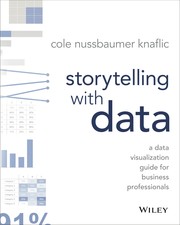
Storytelling with Data: A Data Visualization Guide for Business Professionals
by Cole Nussbaumer Knaflic · 2015
~290 pages~7 hrs to read
Practical guidance on choosing charts and removing clutter so findings are understood. Helps you present analysis to stakeholders.
View book →
Senior and leading
Decision support: putting numbers on uncertain things, framing business problems for data science and reading strategy.

How to Measure Anything: Finding the Value of Intangibles in Business
by Douglas W. Hubbard · 2007
~430 pages~11 hrs to read
Shows how to quantify uncertain things and estimate what more information is worth before spending on it. For analysts building business cases.
View book →
Data Science for Business: What You Need to Know About Data Mining and Data-Analytic Thinking
by Foster Provost, Tom Fawcett · 2013
~410 pages~10 hrs to read
Explains data-mining concepts and how to frame business problems as analytic ones. Read it when you scope analytics work with data teams.
View book →
Good Strategy, Bad Strategy: The Difference and Why It Matters
by Richard P. Rumelt · 2011
~320 pages~8 hrs to read
Separates real strategy from goal lists and slogans. Useful when your analysis feeds strategic decisions.
View book →
Book links go to Amazon and are affiliate links. As an Amazon Associate I earn from qualifying purchases.
Frequently asked questions
Which book should a Business Analyst read first?
Software Requirements by Karl Wiegers, Joy Beatty. Requirements are the BA's central product. This book covers eliciting, documenting and managing them so you start from a sound method.
Do I need to read all 12 books?
No. The list is a menu, not a syllabus. Find your stage (getting started: 4, doing the job: 5, senior and leading: 3), begin with one book (we suggest Software Requirements), then pick the next book by the problem you are facing at work. Come back to the others when the situation they cover arrives.
How long does it take to read these books?
All 12 books add up to about 4,430 pages, roughly 111 hours at 1.5 minutes a page. At three hours a week that is about 37 weeks; at six hours a week, about 19. The list is meant to be read over time, one book at a time, not in one run.
Are these books up to date?
They range from 1987 (The Pyramid Principle) to 2015 (Storytelling with Data). Older titles are included because they teach principles that have not changed; for tools and platforms, we favour recent editions. Check the edition before you buy.
Related reading
Some links are affiliate links: we earn a small commission if you buy, at no cost to you. It does not change what we list.