Books › Financial Analyst roadmap
Best books for Financial Analysts
Financial analysis from reading statements to judging businesses. It starts with the basics: financial literacy, interpreting statements, valuation and building models in Excel. The build set adds how companies mislead, valuation in depth, deal-oriented analysis, FP&A practice and presenting numbers. The lead set covers capital allocation and expectations-based investing, plus strategy.
12 books in 3 stages, about 4,500 pages (113 hours of reading). The notes are ours, with no ratings or sales claims.
How to choose your books
A short method, so you read the right book for where you are instead of the longest list.
Find your stage
Getting started · 4 books
Literacy and models: reading statements, a first look at valuation and building a financial model in Excel.
Jump to this stage ↓Doing the job · 5 books
Analysis that stands up: spotting accounting tricks, valuation in detail, deal analysis, planning and performance management, and presenting numbers.
Jump to this stage ↓Senior and leading · 3 books
Judgement about businesses: what the market already expects, how capital allocators think and how strategy shows up in the numbers.
Jump to this stage ↓
If you are unsure, start one stage lower than you think. Books in a later stage assume the working knowledge the earlier ones give you.
Begin with one book
Our starting pick
Financial Intelligence, Revised Edition
by Karen Berman, Joe Knight · 2006
It teaches the logic behind the numbers in plain language, so statements stop being a list of lines and start telling you how a business works.
See the book ↓Then pick by your situation
Choose the next book by the problem in front of you, not by its place in the list.
If you need to turn statements into a working Excel model
read Financial Modeling in Excel For Dummies (getting started)
If you want to spot where reported numbers may be flattering
read Financial Shenanigans (doing the job)
If you are moving into FP&A and performance management
read Financial Planning & Analysis and Performance Management (doing the job)
Check it against what Financial Analyst postings ask for
These skills come from our analysis of live Financial Analyst job postings. If one is new to you, its book list sits one click away.
Each step on the scale reflects how often live job postings name the skill, tool or credential, based on our analysis of those postings. With fewer than 100 postings behind this page, treat the scale as directional: a sample this size can shift a skill by a step or more.
Set a time budget
| Stage | Books | Pages | Reading | At 3 hrs a week |
|---|---|---|---|---|
| Getting started | 4 | 970 | 24 hrs | 8 wks |
| Doing the job | 5 | 2,690 | 67 hrs | 22 wks |
| Senior and leading | 3 | 840 | 21 hrs | 7 wks |
| All 3 stages | 12 | 4,500 | 113 hrs | 38 wks |
Treat this as a ceiling, not a target. Read one book at a time, apply it, then move on; read reference-style books in sections.
Judge any book before you buy it
Age
This list runs from 1937 (The Interpretation of Financial Statements) to 2018 (Financial Planning & Analysis and Performance Management). Older books earn their place by teaching principles that do not change. For tools and platforms, buy the latest edition.
Level
Check the stage before the title. A book from a later stage will make sense only once you have faced the problems it solves.
Format
The longest book here, Valuation, runs about 960 pages. Read very long books as references: pick the chapter that matches the problem you have.
Fit
Ask what you will do differently the week after you finish. If you cannot answer, the book is for a different moment. Come back to it when the situation arrives.
Getting started
Literacy and models: reading statements, a first look at valuation and building a financial model in Excel.
 Start here
Financial Intelligence, Revised Edition
by Karen Berman, Joe Knight · 2006
~280 pages~7 hrs to read
Explains the income statement, balance sheet and cash flow statement in plain language, including where judgment and estimates hide in the numbers. Read it in your first weeks, before the models get complicated.
View book →
The Interpretation of Financial Statements
by Benjamin Graham, Spencer B. Meredith · 1937
~120 pages~3 hrs to read
A short guide to reading a balance sheet and income statement and testing what they say about a company's health. Useful early, as a quick check on whether you can read a set of accounts end to end.
View book →The Little Book of Valuation
by Aswath Damodaran · 2011
~230 pages~6 hrs to read
Introduces discounted cash flow, relative valuation and the main inputs behind each, with worked examples. A compact first pass at valuation before you build your own models.
View book →
Financial Modeling in Excel For Dummies
by Danielle Stein Fairhurst · 2017
~340 pages~9 hrs to read
Walks through building a financial model in Excel from layout and formulas to forecasting and scenarios. Best for analysts who know the statements but have not yet built a full model.
View book →
Doing the job
Analysis that stands up: spotting accounting tricks, valuation in detail, deal analysis, planning and performance management, and presenting numbers.

Financial Shenanigans
by Howard Schilit, Jeremy Perler, Yoni Engelhart · 1993
~320 pages~8 hrs to read
Catalogues the accounting techniques companies use to flatter earnings and cash flow, and the warning signs in the filings. Read it once you are reading 10-Ks regularly and want to spot quality-of-earnings problems.
View book →
Valuation: Measuring and Managing the Value of Companies
by McKinsey & Company Inc., Tim Koller, Marc Goedhart, David Wessels · 1990
~960 pages~24 hrs to read
A thorough reference on enterprise DCF, return on invested capital, forecasting and the drivers of value. Come to it when you are building valuations that other people will rely on.
View book →
Investment Banking: Valuation, LBOs, M&A, and IPOs
by Joshua Rosenbaum, Joshua Pearl · 2009
~510 pages~13 hrs to read
Step-by-step coverage of comparable companies, precedent transactions, DCF, LBO analysis and merger models. Read it when your work moves into deals, transactions or detailed valuation models.
View book →
Financial Planning & Analysis and Performance Management
by Jack Alexander · 2018
~610 pages~15 hrs to read
Covers the corporate FP&A function: budgeting, forecasting, variance analysis and performance reporting. Fits analysts supporting business units and the finance team's planning cycle.
View book →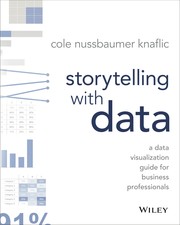
Storytelling with Data
by Cole Nussbaumer Knaflic · 2015
~290 pages~7 hrs to read
Shows how to choose the right chart, remove clutter and structure a presentation around one message. Read it when your analysis is sound but your reports and slides are not landing with managers.
View book →
Senior and leading
Judgement about businesses: what the market already expects, how capital allocators think and how strategy shows up in the numbers.
Expectations Investing
by Michael J. Mauboussin, Alfred Rappaport · 2001
~270 pages~7 hrs to read
Reverses the valuation process: start from the price, work out the expectations it implies, then judge whether they are reasonable. Helps senior analysts frame recommendations for decision-makers.
View book →
The Outsiders
by William N. Thorndike · 2012
~250 pages~6 hrs to read
Profiles eight chief executives and how they allocated capital: buybacks, acquisitions, debt and cash. A good read for anyone moving toward finance management or a CFO track.
View book →
Good Strategy Bad Strategy
by Richard P. Rumelt · 2011
~320 pages~8 hrs to read
Describes what a real strategy looks like: a diagnosis, a guiding policy and coherent actions. Useful when you advise on business decisions rather than just model them.
View book →
Book links go to Amazon and are affiliate links. As an Amazon Associate I earn from qualifying purchases.
Frequently asked questions
Which book should a Financial Analyst read first?
Financial Intelligence, Revised Edition by Karen Berman, Joe Knight. It teaches the logic behind the numbers in plain language, so statements stop being a list of lines and start telling you how a business works.
Do I need to read all 12 books?
No. The list is a menu, not a syllabus. Find your stage (getting started: 4, doing the job: 5, senior and leading: 3), begin with one book (we suggest Financial Intelligence, Revised Edition), then pick the next book by the problem you are facing at work. Come back to the others when the situation they cover arrives.
How long does it take to read these books?
All 12 books add up to about 4,500 pages, roughly 113 hours at 1.5 minutes a page. At three hours a week that is about 38 weeks; at six hours a week, about 19. The list is meant to be read over time, one book at a time, not in one run.
Are these books up to date?
They range from 1937 (The Interpretation of Financial Statements) to 2018 (Financial Planning & Analysis and Performance Management). Older titles are included because they teach principles that have not changed; for tools and platforms, we favour recent editions. Check the edition before you buy.
Related reading
Some links are affiliate links: we earn a small commission if you buy, at no cost to you. It does not change what we list.